A2M injections offer a precise approach to pain relief by targeting the underlying causes of joint and tissue discomfort, rather than just masking symptoms. This blog will briefly explain how they work and who may benefit from them.
What Is A2M? The Science Behind Alpha-2-Macroglobulin
Alpha-2-Macroglobulin (A2M) is a large plasma protein found naturally in the blood that acts as a “universal inhibitor” of many proteases—enzymes that break down proteins in the body. When these proteases become overactive, they can contribute to tissue damage and inflammation, especially in joints and cartilage. A2M works by trapping these harmful enzymes in a molecular “cage,” neutralizing their activity and helping protect tissues from further degradation. Because of this mechanism, A2M has gained attention in regenerative medicine and orthopedics as a potential biologic therapy for degenerative joint conditions.
How A2M Injections Work for Targeted Pain Relief
• Targeted pain therapy
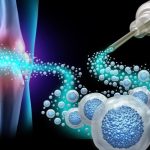
A2M (alpha-2-macroglobulin) injections are designed to work right where the damage and pain are occurring, rather than affecting the whole body. By delivering the treatment directly into the affected joint or tissue, the therapy focuses on the specific source of inflammation and cartilage breakdown.
• Enzyme inhibition for pain relief
A2M acts as a broad-spectrum enzyme inhibitor. Many painful joint conditions involve overactive enzymes that break down cartilage and surrounding tissues. By inhibiting these destructive enzymes, A2M helps slow or reduce the tissue damage that contributes to ongoing pain.
• Blocking inflammatory chemicals
Inflammatory chemicals in the joint space drive swelling, stiffness, and discomfort. A2M can bind and neutralize some of these inflammatory molecules, helping to interrupt the cycle of inflammation that keeps pain signals active.
• A2M binding to cartilage-destroying enzymes
Certain enzymes specifically attack cartilage and accelerate joint degeneration. A2M traps these cartilage-destroying enzymes, changing their shape so they can no longer damage tissues. This protective action supports the joint’s structural integrity and may help preserve remaining cartilage.
• Localized injection treatment
Because A2M is delivered as a localized injection treatment, high concentrations of the therapy reach the problem area without circulating widely through the body. This targeted delivery can enhance effectiveness while potentially reducing the risk of systemic side effects often seen with oral or systemic pain medications.
Conditions That May Benefit from A2M Injections
- Osteoarthritis
- Rheumatoid arthritis
- Tendonitis (e.g., tennis elbow, golfer’s elbow)
- Ligament injuries and sprains
- Meniscal tears in the knee
- Degenerative joint disease
- Chronic joint pain and inflammation
- Cartilage degeneration
- Sports-related joint injuries
- Overuse injuries of joints and tendons
A2M vs Traditional Pain Relief: What Makes It “Targeted”?
A2M therapy is considered “targeted” because it focuses on the biochemical cause of joint pain rather than broadly masking symptoms. Traditional pain relief methods, like NSAIDs or corticosteroid injections, act systemically or broadly in the joint to dampen inflammation and pain signals throughout the body. In contrast, A2M binds and neutralizes specific inflammatory enzymes that actively degrade cartilage, helping to interrupt the degenerative process at its source. This means fewer off‑target effects and a more localized, disease‑modifying approach, rather than temporary, general pain suppression.
In conclusion, A2M injections may offer a promising option for long-term pain relief, particularly for patients seeking alternatives to surgery or prolonged medication use. However, they should be considered as part of a comprehensive treatment plan, guided by a qualified healthcare professional who can assess your specific condition, goals, and overall health.