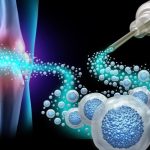
Understanding A2M Injections: What is Alpha-2-Macroglobulin?
Alpha-2-Macroglobulin (A2M) is a naturally occurring protein in the body known for its ability to inhibit various enzymes involved in inflammation and tissue damage. A2M injections utilize this protein to help reduce inflammation, promote healing, and protect tissues, particularly in joints affected by arthritis or injury. By capturing harmful enzymes, A2M supports the body's repair processes without the side effects often seen with conventional treatments.
Medical Applications of A2M Injections in Orthopedics
A2M (Alpha-2-Macroglobulin) injections are emerging as a promising treatment in orthopedics due to their anti-inflammatory and tissue-regenerative properties. Primarily used to manage joint degeneration and osteoarthritis, A2M injections help inhibit cartilage breakdown and promote healing. By targeting inflammatory enzymes, these injections reduce pain and improve joint function.
A2M Injections in Sports Medicine and Injury Recovery
A2M injections are gaining recognition in sports medicine for their potential to accelerate injury recovery. Alpha-2-macroglobulin (A2M) is a natural protein that helps inhibit enzymes responsible for tissue damage during inflammation. By injecting concentrated A2M directly into injured areas, these treatments aim to reduce inflammation and promote faster healing of muscles, ligaments, and joints. Athletes benefit from shorter downtime and improved recovery outcomes using A2M therapy, making it a promising option in managing sports-related injuries.
Potential Use of A2M Injections in Chronic Disease Management
A2M (Alpha-2-Macroglobulin) injections are emerging as a promising therapeutic option in the management of various chronic diseases characterized by persistent inflammation. Chronic inflammation control is crucial in conditions where the immune system becomes dysregulated, leading to tissue damage over time. A2M functions as a natural inhibitor of proteases and inflammatory mediators, making it an effective agent for reducing inflammatory responses.
In autoimmune disease applications, A2M injections have shown potential to modulate immune activity and alleviate symptoms caused by excessive inflammation. By targeting key inflammatory pathways, these injections may help restore balance in the immune system, offering relief for patients with rheumatoid arthritis, lupus, and other autoimmune disorders.
Furthermore, neurodegenerative conditions therapy could benefit from A2M’s anti-inflammatory properties. Diseases such as Alzheimer’s and Parkinson’s involve chronic neuroinflammation that contributes to neuronal damage. Administering anti-inflammatory injections like A2M may slow progression by protecting neural tissue from ongoing inflammatory stress.
Overall, the therapeutic use of A2M injections presents a novel approach to managing chronic diseases where inflammation plays a central role. Ongoing research continues to explore optimal dosing strategies and long-term effects to maximize patient outcomes in this evolving field.